Advisory Council
Leadership, corporate and teachers council branches, and advisory areas across our mission.
 Sukruti Narayanan Founder – President
 Sukruti Narayanan is a multi-award-winning technologist, journalist, and global STEM advocate whose work bridges Robotics, AI, space education, ethical media, and cross-border innovation leadership. She is Founder and President of AIMERS Foundation and Global Head of Partnerships for Mission ShakthiSAT.
View full bio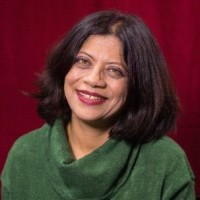 Veena Nair Chair
 Veena Nair is an award-winning STEM educator, consultant, strategic advisor, and systems-thinking specialist with over 30 years of experience working across schools, universities, industry, and government-linked initiatives in Australia and internationally. She supports organisations to design future-ready learning, workforce pathways, and innovation programs that respond to rapid technological change while addressing persistent equity gaps. Veena brings deep expertise in emerging technologies, systems engineering, STEM strategy, and curriculum design, with a particular focus on increasing girls' participation and leadership in STEAM. Her work centres on dismantling structural, cultural, and curricular barriers that limit girls' engagement with engineering, technology, and advanced science, and on designing programs that are inclusive, authentic, and aspirational. She has collaborated with multiple universities to develop and pilot new STEAM programs, most recently with RMIT University on the COMBs Project, contributing to interdisciplinary, problem-based approaches that connect education, research, and industry. Veena is also an Educational Consultant for Lunaria One, advising on education frameworks linked to Australia's first commercial lunar mission, with a strong emphasis on ensuring girls see themselves represented in space, engineering, and future technology careers. Veena is the recipient of the Prime Minister's Prize for Excellence in Science Teaching (2022) and has advised on curriculum reform, systems engineering pathways, sustainability education, and industry–education partnerships at state, national, and international levels. She has served on curriculum review panels, judging bodies, and advisory committees influencing STEM participation and policy outcomes. Her consulting portfolio includes girls-focused STEM program design, professional learning for educators, strategic planning, partnership development, and impact evaluation. Veena is known for her ability to bridge education, industry, and innovation ecosystems to deliver practical, equity-driven solutions that build long-term capability and representation in STEAM. Veena continues to teach at Viewbank College Melbourne.
View full bio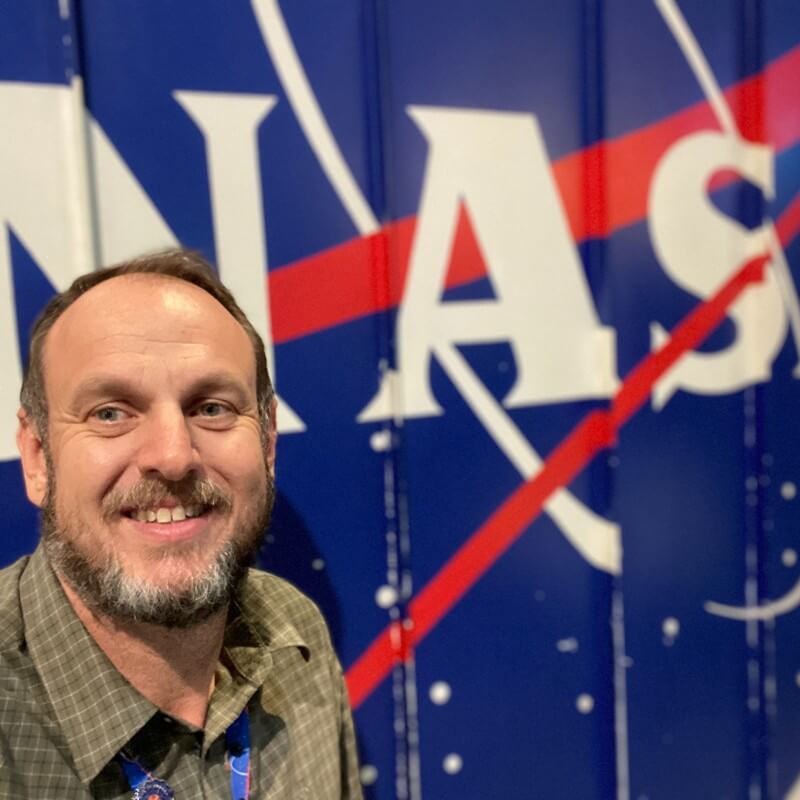 Professor Scott Sleap Co-Chair
 Professor Scott Sleap is a senior STEM education leader with the NSW Department of Education, where he leads large-scale programs that connect schools with industry, universities and community partners to expand opportunity for students across New South Wales. He is Professor of Practice (STEM) at the University of Sydney and an Honorary Professor at the University of Newcastle, bringing deep expertise in education, research, and outreach. Scott holds a PhD in Environmental Engineering and is widely recognised for his impact as a STEM teacher and system leader, including receiving the Prime Minister's Prize for Excellence in Secondary Science Teaching, the University of Newcastle Alumni National Leadership Award, a Winston Churchill Fellowship, a Commonwealth Bank Teaching Fellowship, and the BAE Systems Global Chairman's Award. Scott has a strong focus on space education and the future space workforce, with international partnerships that connect Australian students and teachers to global space, science and technology networks. He works closely with the Australian Space Agency and a range of national and international partners to create authentic pathways and experiences for young people, particularly those in regional, rural and remote communities. Equity is central to his work, with a strong emphasis on lifting participation for girls and young women in space and STEM, and removing barriers that limit access to high-quality learning, mentoring, and leadership opportunities. Through his Winston Churchill Fellowship, Scott undertook a study tour of the United States to examine leading approaches to STEM and space education, bringing back insights that continue to shape high-impact programs across schools and systems. His work is grounded in a belief that talent is everywhere, and that education, mentorship and real-world opportunity are the levers that allow young people to not only prepare for the future, but actively shape it.
View full bioCorporate Advisory Council
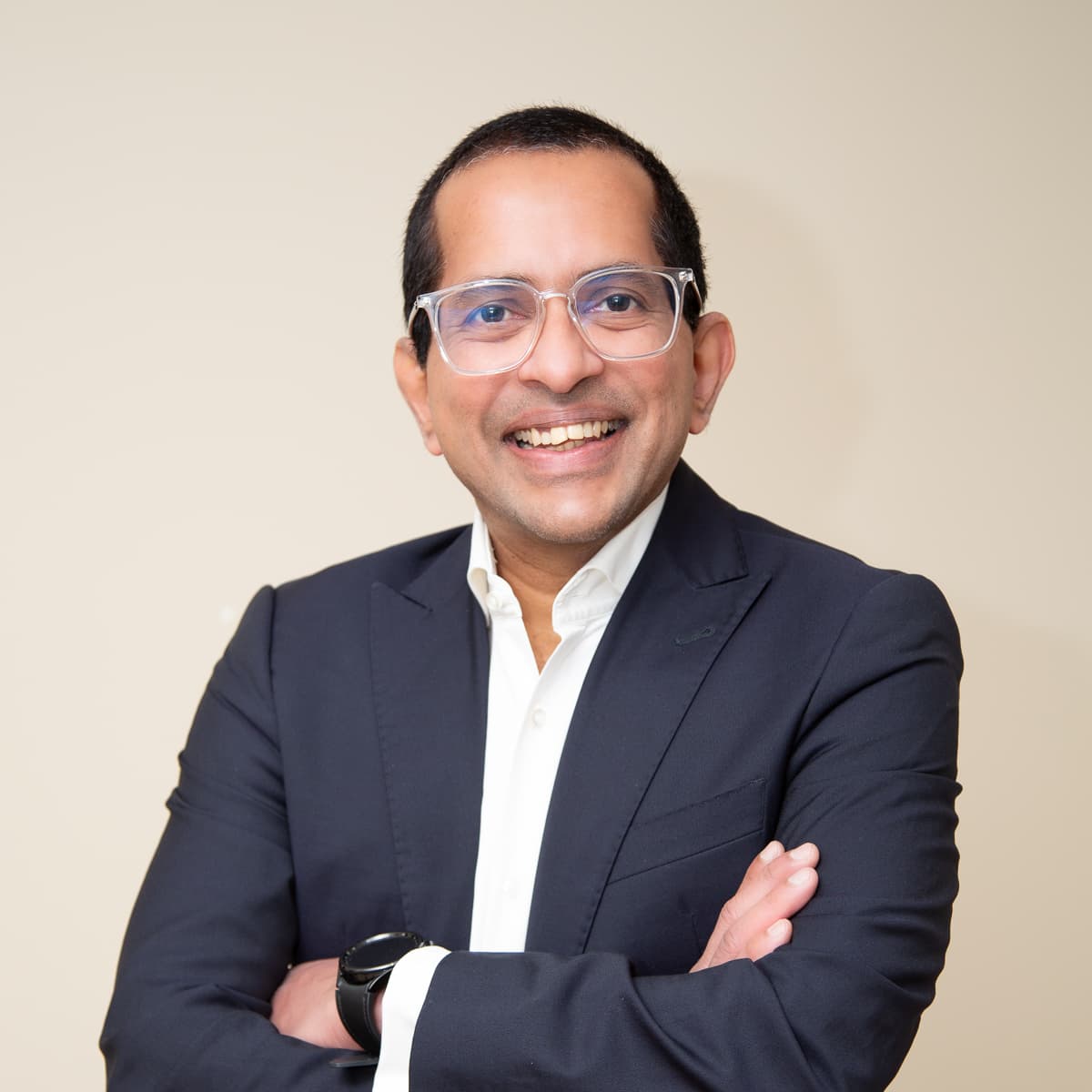
Shankar founded Eartheye Space, a space-tech company that provides near-real-time situational awareness of Earth and space from space. The company is a member of the Seraphim Space and CDL-Space cohorts. Shankar was a co-founder of Antaris Inc., a venture-backed startup, and consulted for leading NewSpace companies before becoming an entrepreneur. Previously, Shankar was a vice president at Planet Labs, and held leadership positions at Hewlett-Packard and OpenText. He graduated in Computer Science and Engineering from IIT Kanpur and holds an EMBA and PhD from the University of Technology Sydney, Australia.
View full bio →
Mithilesh Bandiwdekar is a global technology entrepreneur, AI strategist, and thought leader with over two decades of experience in building and scaling intelligent digital solutions. He is the driving force behind Softlabs Group and Ainfinite Ai, where he leads the development of advanced AI-driven platforms, enterprise automation systems, and next-generation digital infrastructure for global clients. Mithilesh has been at the forefront of applying artificial intelligence to real-world business challenges, particularly in areas such as intelligent operations, financial systems, automation, and AI-led decision-making. His work focuses on translating emerging technologies into scalable, high-impact solutions that help organizations improve efficiency, unlock new value streams, and remain competitive in an increasingly AI-driven economy. As a strong advocate for the responsible and inclusive adoption of AI, Mithilesh actively contributes to shaping conversations around the future of work, digital transformation, and the role of AI in society. He is deeply engaged in building ecosystems that connect industry, academia, and emerging talent, with a focus on preparing the next generation for an AI-first world. In his role as a Corporate Advisor to AIMERS Foundation, Mithilesh brings global perspective and strategic insight to initiatives aimed at empowering youth, fostering innovation, and enhancing employability through technology. He is particularly aligned with programs like “Neet Sboj,” supporting efforts to create meaningful, future-ready opportunities for teenagers, migrant communities, and experienced professionals. Through his leadership, Mithilesh continues to champion the development of globally competitive innovation ecosystems, with a vision to position regions like India and Australia as key contributors to the future of artificial intelligence and technology-led growth.
View full bio →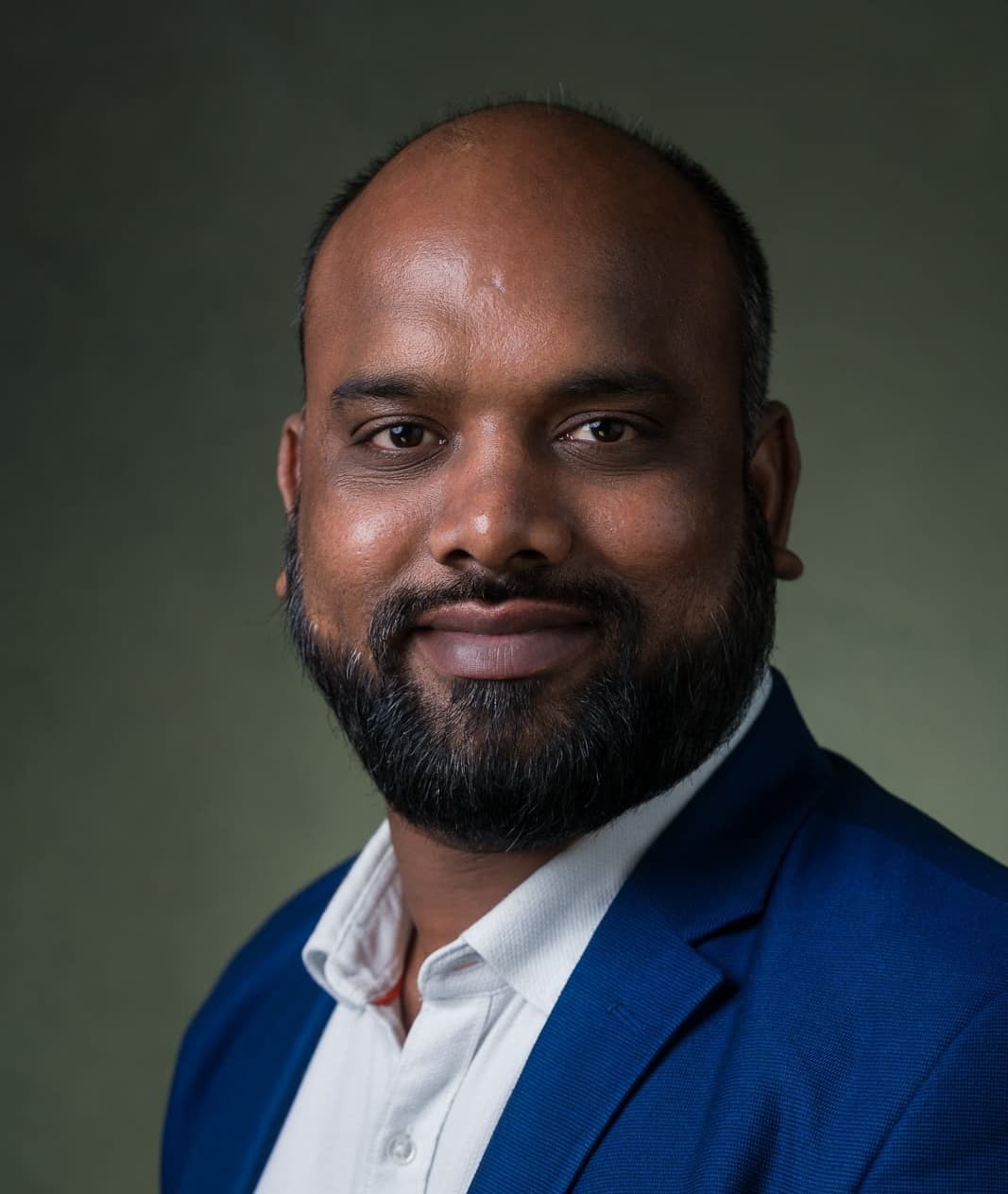
Sakthikumar R is the Founder and CEO of OrbitAID Aerospace Private Limited, an emerging Indian space technology company at the forefront of on-orbit servicing, satellite refueling, and orbital infrastructure development. A visionary leader and accomplished aerospace engineer with over 15 years of experience in research, innovation, and technology development, he is driving transformative solutions for a more sustainable and resilient space ecosystem. He holds a Bachelor’s degree in Aeronautical Engineering from Anna University and a Master’s degree in Space Engineering and Rocketry from BIT Mesra. Sakthikumar began his career at the Indian Institute of Science (IISc), Bengaluru, where he spent nearly a decade working on advanced spray systems, satellite propulsion, and rocket propulsion technologies—building a deep foundation in high-impact aerospace research. Over the course of his career, he has authored 30 international journal and conference publications and holds four granted patents, underscoring his strong contributions to scientific advancement and engineering innovation. He later served as Research Scientist and Head of R&D at BNG Spray Solutions, where he led the development and commercialization of cutting-edge spray and propulsion technologies, bridging the gap between research and real-world application. Driven by a bold vision to redefine space operations, Sakthikumar founded OrbitAID to tackle one of the most critical challenges in the space industry—satellite lifecycle limitations. His work focuses on enabling in-orbit satellite refueling and future orbital fuel stations, with the goal of extending satellite lifespan, reducing space debris, and unlocking a sustainable, scalable space economy. Through his leadership, Sakthikumar is positioning OrbitAID as a key player in the global shift toward in-space servicing and infrastructure, shaping the next generation of space sustainability and orbital logistics.
View full bio →Teachers' Council
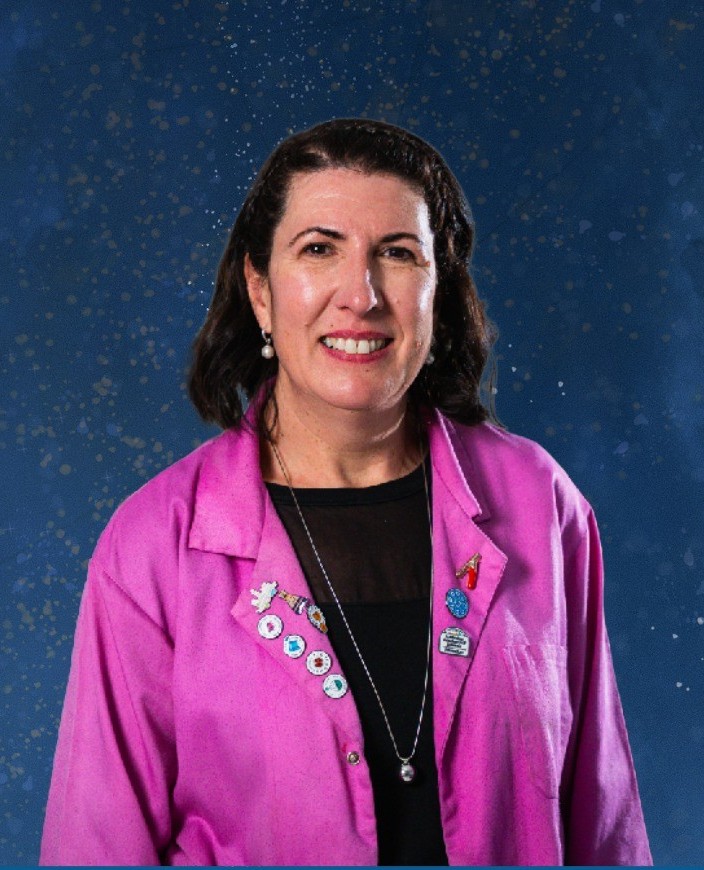
Paula Taylor is the recipient of the 2025 Prime Ministers' Prize for Science Teaching and the President of the Australian Science Teachers Association. Paula has a BMLSc, BEd, and MEd from Canada which has led to 30 years of exemplary classroom teaching in Science from K to 12. She is a system-wide leader in STEM education in the ACT where she mentors and coaches educators to plan and deliver authentic STEM programs that align with Australia's priority areas. Paula is dedicated to raising the profile of the teaching profession through her advocacy work with industry, peak bodies and government.
View full bio →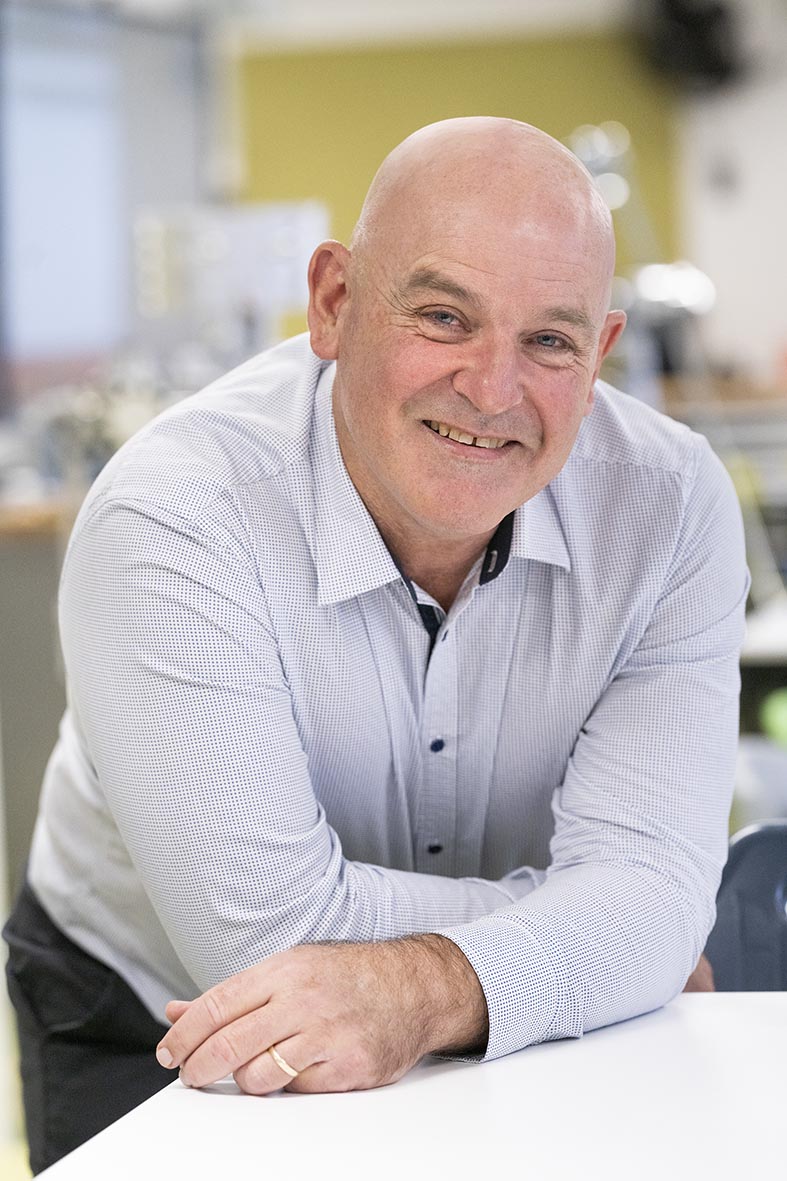
Ian Preston, HFTGN, BEd (Industrial Arts Technology) (Hons), is a nationally and internationally recognised STEM education leader whose career spans more than three decades of sustained contribution to teaching, system leadership, and STEM education innovation within the NSW Department of Education. He is the Founder and Lead of the Murrumbidgee Academy of STEM Excellence (MASE) and the NSW Virtual STEM Academy (NSWVSA), initiatives that have significantly expanded access to advanced, industry-connected STEM education for students across regional, rural, and remote New South Wales. Under his leadership, the STEM program he established and led at Griffith High School was recognised nationally when the school was awarded the Best STEM Program in Australia at the Australian Education Awards (2025). Ian has played a leading role in the development of innovative and scalable STEM education models that connect schools with universities, industry partners, and global STEM networks. His work has enabled thousands of students to engage with engineering, advanced manufacturing, emerging technologies, and contemporary STEM practices, strengthening pathways into higher education and future careers. He continues to teach and mentor students through the NSW Virtual STEM Academy and specialised STEM workshops, while also mentoring and supporting teachers to build their capacity to deliver high-quality STEM education. Earlier in his career, he founded and led the Lachlan Access Program, a pioneering telematics-based initiative that transformed access to senior secondary education for students in geographically isolated communities. Ian is an Honorary Fellow of the Teachers' Guild of New South Wales, recognising his distinguished and sustained contribution to the teaching profession. His leadership has been recognised through the NSW Premier's Prize for Innovation in STEM Teaching, the Minister's Award for Excellence in Teaching, and the World Teachers' Recognition Award. He was selected as a Global Teacher Prize Top 50 Finalist and appointed as a Schools Plus Teaching Fellow. He has also received international recognition through the FIRST Inspire the Future recognition program and serves as a Global Teacher Ambassador and Stars Align Ambassador. As Co-Chair of the AIMERS Teachers' Council, Ian provides leadership in advancing STEM education practice, strengthening collaboration between schools, industry, and higher education, and supporting the development of high-impact initiatives that expand opportunity and capability across regions.
View full bio →
Ableman Garwe is an accomplished STEM educator with over two decades of international teaching experience, dedicated to empowering students to become independent, socially responsible global citizens. He currently serves as a Mathematics and Science Teacher at Dubbo Christian School in Australia, where he combines inquiry-based learning with explicit direct instruction to deliver strong academic outcomes across Stages 4 and 5. Ableman brings a global perspective to education, having taught across diverse systems in Zimbabwe, Bahrain, South Africa, and Australia. His experience spans multiple international curricula, including Cambridge IGCSE and A-Level, International Baccalaureate (IB), BTEC Engineering, and the NSW curriculum. His teaching philosophy centres on student‑focused learning environments, where data‑informed instruction and engaging resources are tailored to meet the needs of every learner. Beyond the classroom, he is a passionate advocate for STEM engagement and lifelong learning. His professional journey includes delivering science demonstrations at major exhibitions and participating in the Honeywell Educators @ Space Academy at NASA, reflecting his commitment to inspiring curiosity and scientific exploration among students. He holds a Bachelor of Science in Mathematics and Physics and a Postgraduate Certificate in Education, and is a Certified Professional Physicist. Ableman is also an active member of NESA and the South African Institute of Physics. Committed to continuous professional growth and international‑minded education, Ableman remains deeply engaged with developments in STEM education, educational technology, and space science, helping ensure students are equipped with the knowledge, skills, and mindset needed to thrive in an increasingly complex and evolving world.
View full bio →AI + Quantum

Farai Mazhandu is Founder and Director of the Africa Quantum Consortium (AQC), leading cross-continental quantum strategy across Africa, the U.S., and global partners. Trained in experimental quantum physics at the Colorado School of Mines and the University of the Witwatersrand, he brings 15+ years across quantum research, education, and institutional strategy – mobilizing talent, aligning policy, and building durable quantum capability at continental scale.
View full bio →
Nakshathra Suresh is a cyber criminologist, entrepreneur, academic and international speaker based in Sydney, Australia. She is currently the only criminologist in Australia actively advocating for artificial intelligence and emerging technology safety, bringing a unique social science perspective to digital safety challenges. Her primary areas of expertise include privacy, digital literacy and wellbeing; cybersecurity and surveillance on social media and internet-based platforms; stranger-based cybercrime (including technology-facilitated violence); emerging technologies (including IoT) and AI-facilitated harms; and bridging technology innovation with safety, ethics and responsible development. As the co-founder of eiris, a technology consultancy, Nakshathra helps emerging startups, businesses and organisations deploy technology safely using safety-by-design principles. Through eiris, she works with companies to help them understand the human impact of technology integration, including ethical, psychological, social, and criminal outcomes. Nakshathra currently serves as the Oceania Youth Ambassador for the Internet Society, advocating for an open, secure, and trustworthy internet through championing cybersecurity and safety principles. She also teaches with the Faculty of Law & Justice at UNSW, where she created and led the university's first criminology-backed cybersecurity course (CRIM3040). Known for her hands-on presentation style, she has spoken at conferences, podcasts, webinars and professional forums globally, reaching audiences that include law enforcement, public servants, academics, startup founders, industry professionals and students. She was recognised as one of the 2026 Young Women to Watch in International Affairs and has been a finalist for multiple leadership and innovation awards. As a proud woman of colour with English as her third language, Nakshathra is committed to creating a safer digital world for everyone, regardless of their ability to navigate online environments. Her work bridges the gap between technological innovation and human impact, embedding digital safety from the earliest stages of product development.
View full bio →Media

Andrew Curran is a Sydney-based journalist specialising in aerospace. He currently runs his own business producing industry reports and print news articles about commercial aviation in the Southwest Pacific. Andrew also has extensive experience covering the space and defence sectors, primarily focusing on emerging Indo-Pacific markets, but also covering the big space and defence economies such as China, the United States, and Europe. Before working as a journalist, Andrew worked in a variety of roles for a major investment bank, including spending several years living and working for the bank in London. Andrew holds an undergraduate degree in business and has postgraduate degrees in business administration and history.
View full bio →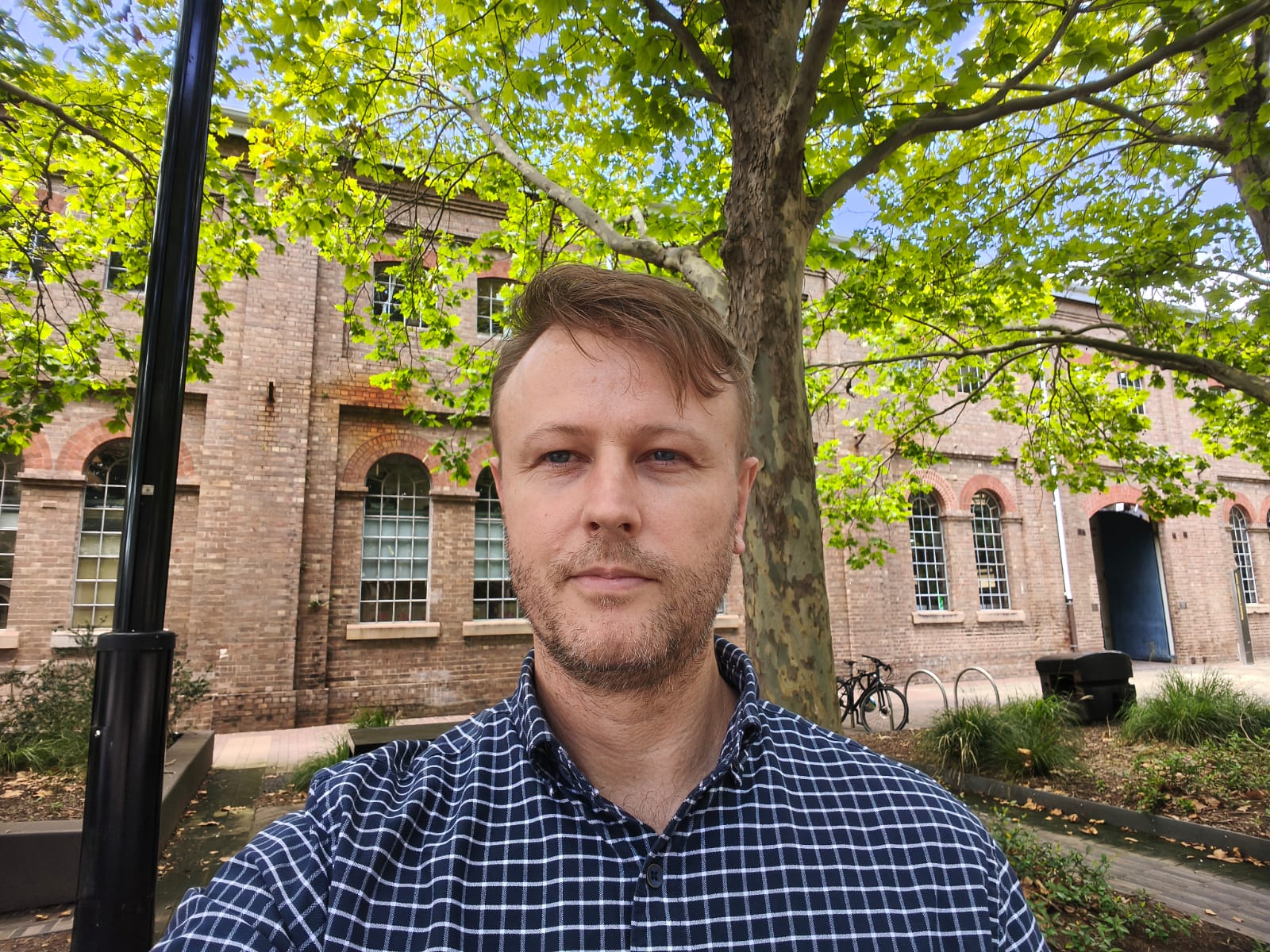
Danny Muller is a media and entertainment professional with a background in news, factual and reality TV content, along with an extensive body of work in music and sound for film, podcasting, games, and the music industry.
View full bio →Digital Platforms & AI Systems

Vivek Narayanan is a technology leader with 17+ years of experience across FinTech, MediaTech, HealthTech, GameTech, and SolarTech, specialising in cloud-native platforms, DevOps transformation, and secure delivery at scale. He also contributes to AI and STEM capability-building initiatives.
View full bio →Emerging Fields

Dusya Lyubovskaya is an American citizen working in Switzerland at the intersection of clean energy, advanced materials, and real-world-asset tokenization. She serves as Global Ambassador at IPRI.Tech AG, where she advances international partnerships for Ultra High Temperature Pyrometallurgy™, enabling next-generation industrial processing, critical-materials recovery, and breakthrough materials innovation. Through The Thorium Network, Dusya supports international cooperation and education focused on safer, more sustainable nuclear-energy pathways for both emerging and developed economies. She also contributes to OrdinalGold, driving the ethical tokenization of in-ground gold reserves through blockchain transparency and Web3-based asset-verification frameworks. Beyond her industry work, Dusya is a Ph.D. candidate in nuclear medicine, conducting research on future-facing technologies with applications in global health. She additionally serves as IGC Chair for Education and International Collaboration on Safer, Sustainable Nuclear Energy (U.S.), where she champions knowledge exchange, policy alignment, and multi-stakeholder cooperation across borders. She is also a member of Global Goals Connexions (GGC), further reinforcing her commitment to globally aligned, impact-driven collaboration. Across her industry, academic, and governance roles, Dusya focuses on strategic outreach, global partnerships, and aligning transformative technologies with governments, industry leaders, and mission-aligned investors to accelerate a cleaner, more resilient future. In recognition of her leadership and impact, Dusya Lyubovskaya has been featured as one of the Top 10 Most Influential Female Leaders of the Year.
View full bio →STEAM

Ben Newsome is a pioneer in STEM education and the founder of Fizzics Education, which has inspired 4 million students since 2004. A 2013 Churchill Fellow and UTS Chancellor's Award recipient, Ben specialises in science education outreach and links to industry career pathways. He co-founded Virtual Excursions Australia to produce digital live education programmes and the AVA Challenge to bring space design thinking to students across Australia and beyond. Beyond teaching, Ben is a casual academic at Western Sydney University, host of the FizzicsEd Podcast, and author of 'Be Amazing!'. His work as a board member and ambassador continues to shape international collaborative learning and industry engagement.
View full bio →Space Technology
Iver Cairns has over 30 years of experience in space physics and space weather research, with over 400 written and published refereed papers. His primary contributions relate to the growth and saturation of plasma waves, especially Langmuir waves, the generation of radio emission in association with shocks, and associated space weather. He is a Co-Investigator on NASA's STEREO mission and, since June 2019, on NASA's two new SMEX missions, PUNCH and TRACERS. In Australia he led the 2010-2019 Decadal Plan for Australian Space Science. Since then he has worked to "put runs on the board" to convince Governments to invest in the space sector. He led the INSPIRE-2 CubeSat project, which launched in May 2017 and re-entered still working in November 2018. For 2017–2025, but continuing now as a research collaboration, Prof. Cairns led CUAVA (the ARC Training Centre for CubeSats, UAVs, and Their Applications), training people, solving research problems, and working on commercial outcomes for its industry, academic, and governmental partners. CUAVA's 1st CubeSat, CUAVA-1, was deployed from the International Space Station in October 2021. He also leads the Waratah Seed project, Australia's 1st ride-share satellite project. His satellites CUAVA-2 and Waratah Seed-1 launched in August 2024 and are both operating successfully in space.
View full bio →